The rise of mythical creatures on television has captivated audiences of all ages. Whether it’s the enchanting dragons that soar through the skies in fantasy series or the clever unicorns that prance through whimsical worlds, these magical beings have found their way into the hearts of viewers. Lately, networks and streaming services have embraced these legendary beings, spinning tales that bring these age-old myths into modern storytelling.
Shows like "Game of Thrones" and "Shadow and Bone" have set a precedent, showcasing breathtaking visuals alongside intricate plots centered around dragons, elves, and other fantastical beings. The complex lore surrounding these creatures adds depth to the narrative, inviting viewers to explore entire universes rich with history. With each new series, the fascination with mythical creatures continues to grow, drawing in fans who long for adventure and wonder.
Moreover, the resurgence of mythical creatures on TV reflects a broader trend in entertainment. As audiences seek escapism in challenging times, these shows offer a refreshing break from reality. They transport viewers to alternate realms where magic exists, allowing people to immerse themselves in fantastical stories. From whimsical animations to gripping live-action dramas, the variety of representations keeps the genre vibrant and always evolving.
Today, we see mythical creatures not only as villains or side characters but also as protagonists. Shows like "His Dark Materials" and "The Witcher" feature complex relationships between humans and these extraordinary beings, exploring themes of loyalty, identity, and morality. This nuanced approach breathes new life into old tales, making them relatable and engaging for contemporary audiences. With this trend showing no signs of slowing down, the world of television is set to become a magical realm filled with even more spectacular creatures.
Popular Mythical Beasts to Watch
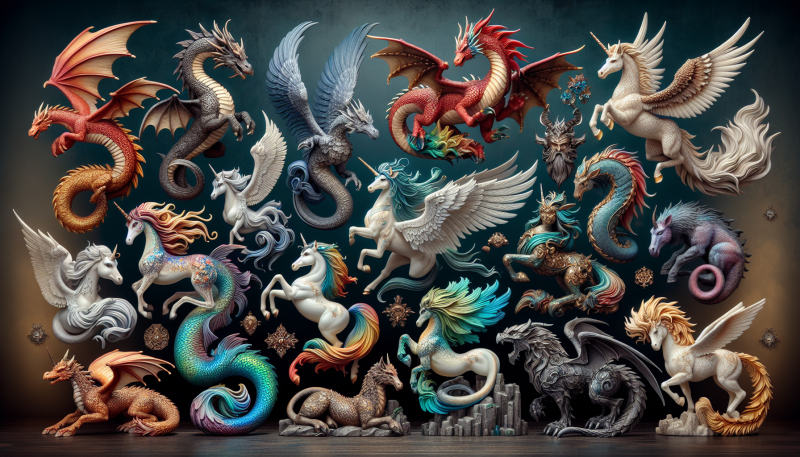
First up is the majestic dragon. These fire-breathing reptiles have long been symbols of power and mystery. Whether they appear in epic fantasy series or modern adaptations, dragons such as those seen in "Game of Thrones" or "Dragons: Race to the Edge" continue to enchant audiences with their fierce loyalty and formidable presence.
Next, we have the enchanting unicorn. These legendary creatures embody grace and purity, often portrayed as gentle beings with magical abilities. Shows like "The Unicorn" and various animated series have taken their unique takes on these mythical horses, showcasing their ability to inspire hope and adventure in every episode.
Don’t forget about the mischievous fairies! These tiny winged creatures often bring a touch of whimsy and mischief to the stories in which they appear. In series like "Once Upon a Time" and "Tinker Bell," fairies play crucial roles, reminding us of the magic that exists just beyond our everyday reality.
Finally, keep an eye out for sea monsters. Whether it’s the legendary kraken or merfolk, these aquatic beings offer a glimpse into the mysteries of the ocean. Shows like "Sirens" and "The Little Mermaid" explore underwater worlds, where these mythical creatures add intrigue and adventure beneath the waves.
How Myths Shape Modern Stories
Myths have fascinated humanity for centuries, serving as a wellspring of inspiration for countless stories across various mediums. In today’s television landscape, these ancient tales continue to cast their spell, breathing life into modern narratives. By connecting the old with the new, creators weave rich tapestries that resonate with audiences, rekindling familiar themes and characters while inviting us to see them in a fresh light.
At the heart of many contemporary shows featuring mythical beasts is the universal quest for identity. Characters often grapple with their origins, much like heroes of old who sought to understand their place in the world. This resonates deeply with viewers who are navigating their own journeys. For instance, shows that explore the challenges of being part human and part creature tap into age-old ideas of duality and self-acceptance, mirroring the struggles many face in their real lives.
Additionally, mythological elements often serve as allegories for modern issues. For example, dragons might symbolize greed and power, while lesser-known creatures can represent fragility and the environment. These narratives invite the audience to reflect on contemporary challenges, making them feel relevant and urgent. By framing modern dilemmas within the structure of ancient myths, creators enrich the storytelling experience, allowing viewers to engage with complex themes through the lens of fantasy.
Furthermore, the rich symbolism found in mythical stories allows television creators to push the boundaries of imagination. With each adaptation, unique interpretations emerge, breathing new life into well-known beasts. Audiences are captivated not only by the visuals but also by the deeper meanings attached to these creatures. This interplay between mythology and modern storytelling acts as a bridge to our collective past, reaffirming the enduring power of stories that have shaped cultures across time.
The Future of Mythical Beings on Screen
Streaming platforms are also playing a crucial role in the burgeoning popularity of mythical beings. With more content being produced than ever, creators are encouraged to explore unique storylines involving these creatures, often drawing from diverse cultural mythologies. This opens the door for rich narratives that not only entertain but also educate audiences about various traditions and legends from around the globe. Viewers are increasingly eager to dive into the lore behind their favorite giants, witches, and magical animals, creating a deeper connection to the stories presented on screen.
Moreover, the trends in storytelling are shifting towards inclusivity and diversity. The mythical beings of the future are likely to reflect a wider range of influences, showcasing characters that resonate with a broader audience. This means that alongside traditional figures like unicorns and werewolves, we may see more contemporary interpretations of mythical beings that represent different cultures and histories. By doing so, television can not only captivate viewers but also promote an understanding of the rich tapestry of myths that exist around the world.
Incorporating mythical beings into television also allows for innovative genre blending. As genres like fantasy and horror continue to flourish, there's great potential for unique narratives that intertwine these elements. Imagine a detective series where a skilled investigator teams up with a fairy to solve supernatural mysteries, or a drama that explores the challenges faced by a dragon trying to live among humans. These creative approaches keep the content fresh and exciting, ensuring that mythical beings remain a staple of our screens for years to come.