Asian mythology has deep and diverse roots that span across countless cultures and traditions. The origins of these myths can often be traced back to the ancient civilizations that populated the vast continent of Asia. From the early civilizations of the Indus Valley and China to the rich tapestry of folklore found in Southeast Asia, the stories and legends of Asian mythology are as varied as the people who tell them.
One of the primary sources of Asian mythology is the interplay between nature and spirituality. Many ancient cultures viewed the natural world as alive with spirits, leading to the creation of myths featuring gods, goddesses, and mythical creatures that governed various elements like rivers, mountains, and forests. For instance, in Hindu mythology, the river Ganges is personified as the goddess Ganga, who holds immense spiritual significance for millions in India and beyond.
Additionally, Asian mythology often reflects the historical and social developments of the regions it comes from. The tales of deities and heroes frequently encapsulate moral lessons, societal values, and the collective experiences of the people. In Japan, for example, the Shinto religion encompasses a rich array of myths centered around kami, spirits that inhabit natural objects and ancestors, promoting harmony between humans and the environment.
From the epic tales of the Ramayana and Mahabharata in India to the intricate legends of the Chinese zodiac, the narratives found in Asian mythology not only entertain but also serve to connect people with their history and culture. These stories are often passed down through generations, evolving over time but remaining deeply rooted in the traditions of their respective societies. The richness and complexity of asian mythology illustrate the diverse cultural heritage of Asia and its enduring impact on the world today.
Key Deities and Their Stories
Asian mythology is rich with a variety of deities, each embodying unique attributes and stories that reflect the cultural values of their societies. One of the most beloved figures in Hindu mythology is Lord Ganesha. Known as the remover of obstacles, Ganesha is depicted with the head of an elephant and the body of a human. His origins are steeped in mystery and folklore; one popular tale describes how he was created by the goddess Parvati from sandalwood paste to guard her while she bathed. Ganesha's cleverness and wisdom are celebrated during the festival of Ganesh Chaturthi, where devotees create intricate idols and offer prayers for success and prosperity.
In the realm of Chinese mythology, the tale of the Jade Emperor stands out. He is often considered the supreme ruler of Heaven and governs all deities. According to legend, the Jade Emperor ascended to his position through a series of trials that tested his wisdom and virtue. His story emphasizes the values of justice and benevolence, and he is central to many lunar New Year celebrations. Each year, millions participate in rituals to honor him and seek his blessings for the coming year, highlighting the importance of these ancient beliefs in modern Chinese culture.
Another fascinating figure in Asian mythology is the Japanese sun goddess, Amaterasu. She is revered as the ancestress of the Japanese imperial family and plays a critical role in Shinto belief. Amaterasu's story revolves around her retreat to a cave following a quarrel with her brother, which plunged the world into darkness. The other gods devised a cunning plan to coax her out, ultimately restoring light to the world. This tale symbolizes the cycles of nature and the importance of harmony and reconciliation, values that resonate deeply in Japanese society.
Symbols and Themes Across Cultures
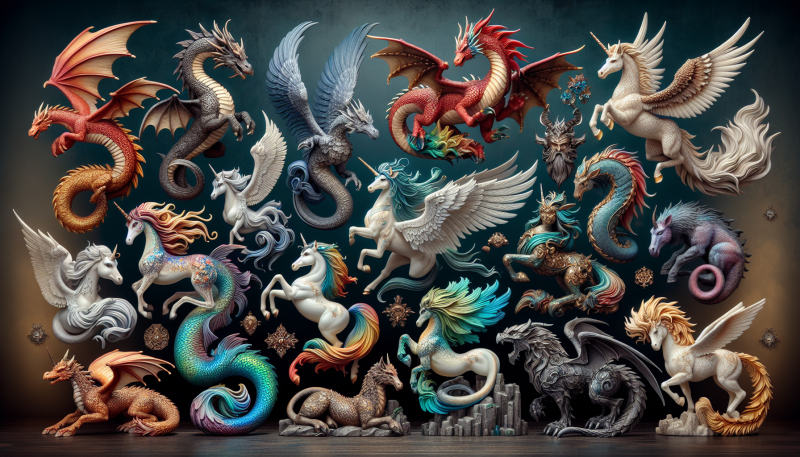
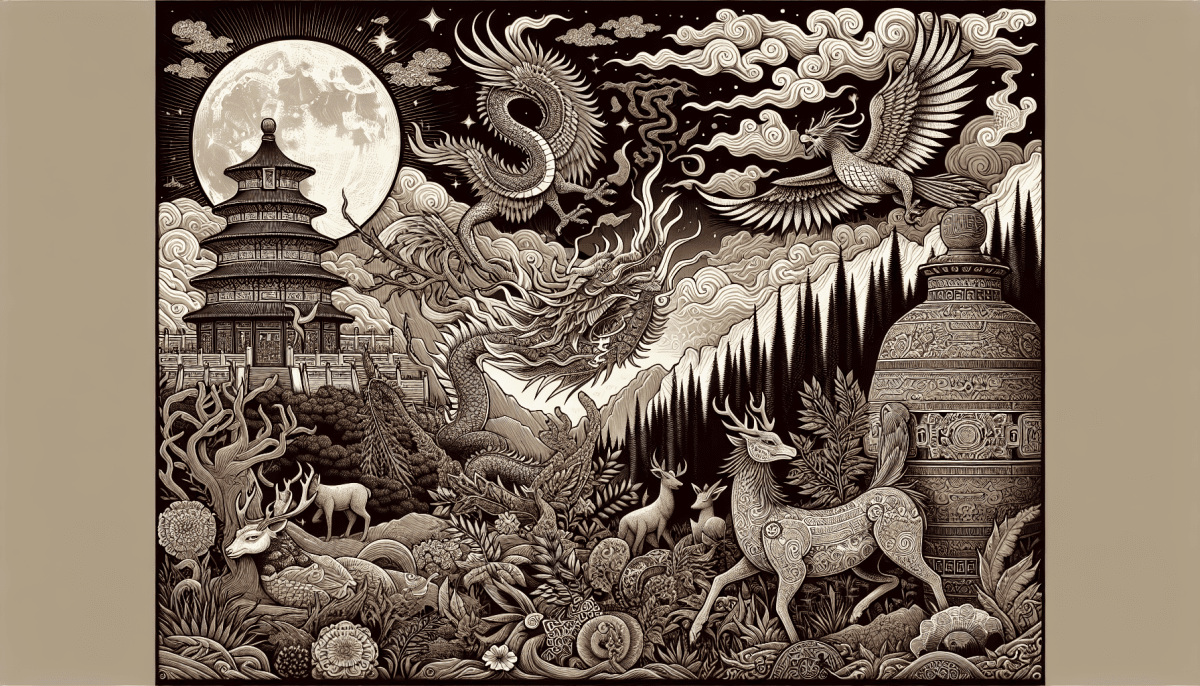
Asian mythology is a tapestry of stories, symbols, and themes that resonate across diverse cultures. From the vibrant tales of Hindu deities in India to the lunar legends of China, these narratives often share common motifs that reflect universal human experiences. One such symbol is the dragon, revered in many Asian cultures as a powerful creature representing strength, protection, and good fortune. Unlike the fearsome dragon of Western lore, the Asian dragon is often seen as a benevolent force, signifying prosperity and rain, essential for agriculture.
Another prevalent theme in asian mythology is the concept of duality, often illustrated through the balance of yin and yang in Chinese philosophy. This idea embodies the complementary forces found in nature and within ourselves, highlighting the importance of harmony. This duality can also be seen in the tales of gods and goddesses in Indian mythology, where deities like Shiva and Parvati represent the balance between destruction and creation, showcasing the cyclical nature of life.
The motif of journeys and quests is another significant theme that permeates asian mythology. Many stories involve heroes venturing into the unknown, facing trials and adversities to achieve greatness or enlightenment. This quest is not just a physical journey but often symbolizes a spiritual awakening or a search for truth. Characters like the Monkey King from the Chinese classic "Journey to the West" exemplify this theme, showing that the path to self-discovery is fraught with challenges that ultimately lead to greater wisdom.
Moreover, the role of nature in asian mythology cannot be overlooked. Natural elements, such as mountains, rivers, and forests, often serve as sacred spaces or settings for mythical events. For instance, in Japanese mythology, Mount Fuji is not only a striking geographical feature but also a symbol of beauty and divinity, often associated with the goddess Konohanasakuya-hime. This deep-rooted connection between mythology and the natural world emphasizes the respect and reverence many Asian cultures hold for their environment, which remains a vital theme throughout their mythological narratives.
Impact on Modern Society and Art
In literature, authors like Neil Gaiman and David Mitchell have drawn inspiration from asian mythology to craft complex characters and captivating plots. Works such as "American Gods" and "Cloud Atlas" weave together elements from different cultures, showcasing how these ancient stories can inform modern narratives. Similarly, in cinema, films like "Crouching Tiger, Hidden Dragon" and "The Secret World of Arrietty" incorporate mythological elements, bringing the enchanting world of asian mythology to life on screen and captivating audiences around the world.
Visual arts also feel the influence of asian mythology, with artists incorporating mythological themes, symbols, and figures into their works. Traditional Asian art forms, such as ink painting and sculpture, often depict legendary characters and scenes, while contemporary artists reinterpret these themes to reflect modern issues. This fusion between the old and new allows for a rich dialogue about identity, culture, and the human experience, bridging the gap between past traditions and present realities.
Furthermore, the adoption of myths and legends from Asian cultures in various creative fields encourages a broader understanding and appreciation of diverse traditions. Festivals, exhibitions, and performances celebrate these mythological stories, allowing them to flourish in today's society. This cultural exchange not only enriches our artistic landscape but also fosters a sense of community and identity, uniting people around shared stories and values that transcend borders.